

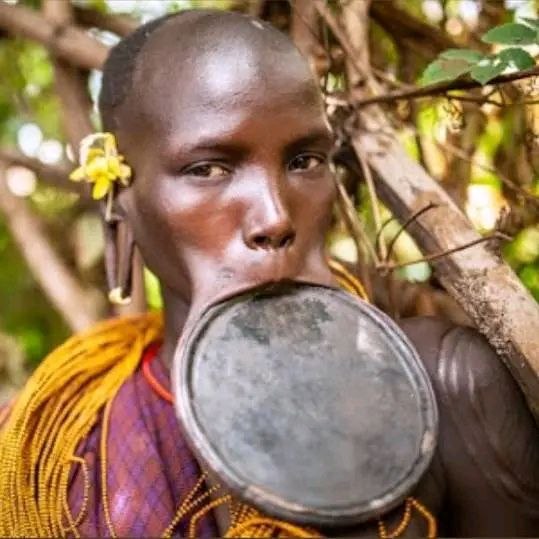
When most people picture the Lower Omo Valley, iconic images immediately spring to mind: intricate clay lip plates, striking body paint, and dramatic ochre hairstyles. While these striking artistic traditions are a magnificent part of southern Ethiopia’s cultural fabric, they only scratch the surface of who these communities truly are.
Beneath the visual splendor lies a complex world of deep-rooted social structures, profound ecological wisdom, sophisticated artistic expressions, and rich oral traditions passed down through generations.
At Baby Jinka Tour and Travel, our roots are planted right here in these southern lands. We invite you to look deeper, listen closer, and discover the vibrant humanity that exists beyond the lip plates.
1. More Than Ornamentation: The Language of Body Art
In the Omo Valley, the human body serves as a living canvas, but every pattern, scar, and color tells a specific, deeply personal story.
The Karo (Kara) Artistry: Living along the banks of the Omo River, the Karo are master body painters. Using white chalk, iron ore, and charcoal, they transform their skin into intricate geometric patterns. These designs are not random; they reflect status, mimic the spots of local wildlife like the guinea fowl, and prepare individuals for community celebrations and rituals.
Scarification as History: Among several pastoralist groups, intricate scarification patterns etched onto the skin chronicle personal achievements, acts of bravery, and tribal lineage. Every mark is a badge of honor and a visual history book.
2. Sophisticated Pastoralism and Survival
Life in the Omo Valley is governed by a profound, intimate relationship with a challenging yet bountiful environment.
The Hamer and Cattle Culture: For groups like the Hamer, cattle are not merely economic assets—they are the literal center of social and spiritual life. Understanding how pastoralist communities manage seasonal migrations, water sharing, and livestock care reveals a masterclass in environmental adaptation.
The Rituals of Transition: The famous Hamer Bull Jumping ceremony is often viewed by travelers as a thrilling spectacle, but from an insider’s perspective, it is a deeply sacred rite of passage. It represents a young man’s transition into adulthood, testing his courage, community support network, and readiness to take on familial responsibilities.
3. Egalitarian Governance and Conflict Resolution
Far from being isolated or chaotic, Omo Valley communities possess highly organized, democratic governance systems that have maintained social harmony for centuries.
Systems like the Gadaa system (shared across various southern groups) or traditional council structures dictate everything from land management to conflict resolution. Decisions are made through hours of collective deliberation under ancient sycamore trees, prioritizing community consensus and restorative justice over punitive measures.
4. The Economy of Connection: Weekly Markets
To truly understand the rhythm of life in southern Ethiopia, you have to experience the vibrant weekly markets in towns like Key Afer, Dimeka, and Turmi.
These markets are melting pots where different ethnic groups—such as the Ari, Banna, Tsemay, and Dasanech—converge not just to trade honey, coffee, handmade iron tools, and grains, but to exchange news, arrange marriages, and maintain vital social alliances across tribal lines.
Experience Authentic Cultural Immersion with Baby Jinka
Witnessing these ancient traditions requires more than a camera—it demands genuine respect, cultural sensitivity, and deep local connections. Traveling with Baby Jinka Tour and Travel means you are welcomed as an informed guest rather than a distant observer. Our guides are locals who speak the regional languages, understand local protocols, and ensure your journey is respectful, enriching, and deeply authentic.
Ready to see the Omo Valley through local eyes? Contact Baby Jinka Tour and Travel today to plan your immersive cultural expedition!
What aspect of traditional community life in southern Ethiopia would you most love to explore firsthand?
