

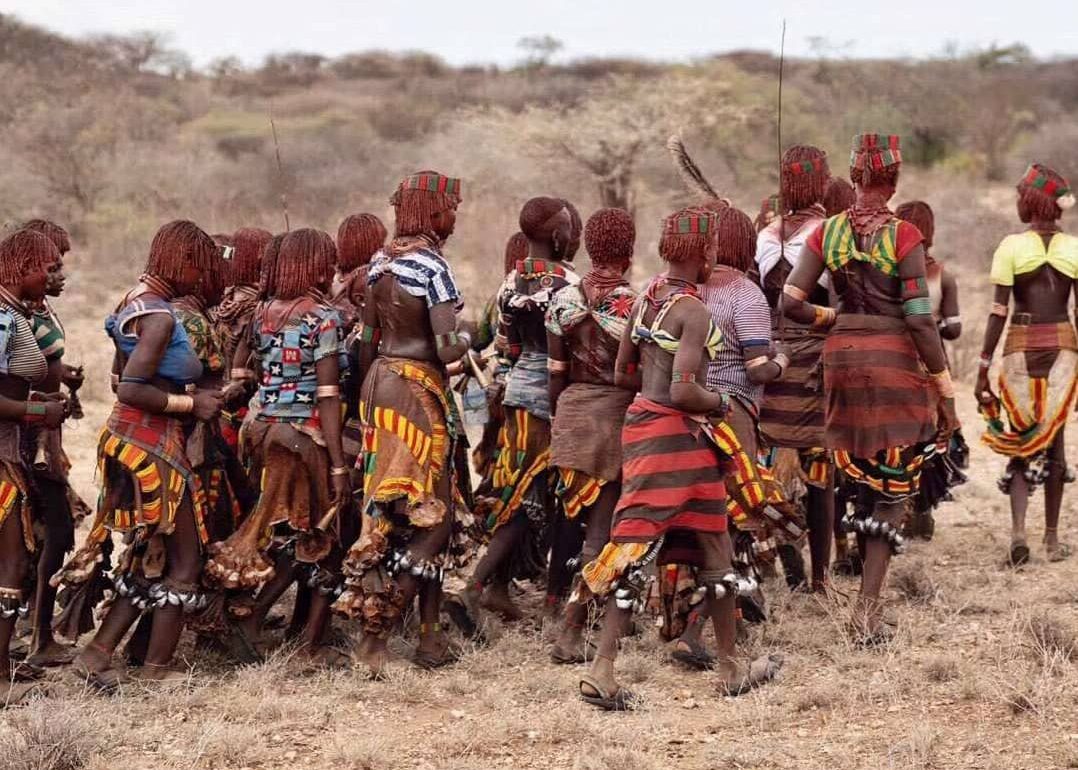
Hidden within the dramatic landscapes of southern Ethiopia lies one of the most culturally diverse and biologically fascinating regions on the planet: the Lower Omo Valley. Recognized globally as a UNESCO World Heritage site, this remote river basin is often described as a living museum. Here, more than a dozen distinct indigenous communities have preserved their ancestral traditions, languages, and ways of life against the backdrop of an ever-changing modern world.
For travelers looking to step back in time and witness humanity in its most raw, authentic forms, the Omo Valley is an unmissable destination. At Baby Jinka Tour and Travel, our roots run deep in these lands, and we are proud to guide you through an immersive journey into the heart of southern Ethiopia’s living heritage.
A Tapestry of Ancient Cultures
The true magic of the Omo Valley isn’t just found in its sweeping acacia savannas or the winding curves of the Omo River—it is found in its people. Each tribe possesses its own distinct social structure, artistic expression, and survival strategies finely tuned to the surrounding ecosystem:
The Mursi: Journey into Mago National Park to meet the Mursi people, world-renowned for their striking clay lip plates, intricate body scarification, and bold artistic expressions.
The Hamer & Banna: Famous for their striking ochre-smeared hair styling, beadwork, and profound pastoralist traditions, the Hamer community are also keepers of the legendary Bull Jumping ceremony—a sacred rite of passage into adulthood.
The Karo (Kara): Perched high on the banks of the Omo River, the Karo are master body painters, using white chalk, charcoal, and ochre earth pigments to mimic the patterns of the spotted guinea fowl and natural surroundings.
The Dassanech: Known as the “people of the delta,” the Dassanech inhabit the harsh, arid plains near the Omo River Delta. Visitors cross the river via traditional dugout canoes to experience their resilience and close-knit clan structures.
Beyond the Villages: Vibrant Tribal Markets
One of the most dynamic ways to experience the Omo Valley is through its weekly open-air markets. Towns like Key Afer, Dimeka, and Turmi transform into bustling crossroads where different tribes—such as the Ari, Banna, Tsemay, and Hamer—converge to trade honey, coffee, livestock, and handmade crafts.
Walking through these markets with a local guide offers a vivid window into daily commerce, social alliances, and vibrant regional fashion.
Essential Tips for Visiting the Omo Valley
To make the most of your expedition while ensuring a positive impact, keep these travel insights in mind:
Travel with a Local Guide: The Omo Valley is culturally complex and geographically remote. Partnering with a locally-rooted operator like Baby Jinka Tour ensures respectful introductions, fluent communication, and access to off-the-beaten-path experiences.
Respect Local Etiquette: Always ask for permission before taking photographs of individuals or homesteads. Your guide will help facilitate respectful, mutually beneficial interactions.
Embrace the Adventure: Infrastructure in rural areas is rustic, and traveling through the valley requires a spirit of flexibility, open-mindedness, and a sturdy 4WD vehicle.
Experience the Real Ethiopia with Baby Jinka
Visiting the Omo Valley is more than a sightseeing trip; it is an exchange of smiles, stories, and profound human connection. Born and raised in the heart of Jinka, our team brings unmatched local insight, safety, and cultural sensitivity to every journey we curate.
Are you ready to discover the living museums of southern Ethiopia? Contact Baby Jinka Tour and Travel today to start planning your custom cultural expedition!
What aspect of Omo Valley culture or daily tribal life fascinates you the most?
